

Best Slip Leash for Dogs: Complete Guide for Training and Daily Use


The best slip leash for dogs combines durability, comfort, and quick-release functionality for safe handling during training and walks. Quality slip leads feature strong materials like nylon or leather, adjustable loops, and smooth hardware that prevents hair catching while providing reliable control.
Choosing the right slip leash depends on your dog's size, training needs, and activity level. Whether you're a professional trainer or pet owner looking for a simple walking solution, understanding what makes a good slip lead will help you pick the perfect option for your furry friend.
In this guide, we'll break down everything you need to know about slip leashes, from key features to safety tips, so you can make the best choice for you and your dog.
- Quick Control: Slip leashes combine collar and leash in one for instant use without buckles or clips
- Training Tool: Best for dogs with basic leash manners who respond to gentle corrections
- Size Matters: Small dogs need 1/4-3/8" thickness, medium 3/8-1/2", large 5/8" or more
- Safety First: Always use leashes with stoppers and place high on neck behind ears
Get started with quality leashes for every need. Browse our dog leashes for training and everyday walks collection.
What Is a Slip Leash and How Does It Work
A slip leash is a simple, all-in-one leash and collar design that loops around your dog's neck. Unlike traditional leashes that require a separate collar, slip leads tighten slightly when your dog pulls and loosen when they walk calmly beside you.
The design includes a length of rope or nylon with a metal or plastic ring at one end. You thread the leash through the ring to create an adjustable loop that slides over your dog's head. This loop sits high on the neck, just behind the ears, where you have better control over your dog's movements.
Top Slip Leash for Dogs Available at Optimal K9 Wellness
Optimal K9 Wellness offers a curated selection of high-quality slip leashes designed for control, comfort, and everyday training. These all-in-one leash and collar options are trusted by trainers and dog owners who want simplicity without sacrificing durability. Whether you are working on leash manners, quick walks, or outdoor adventures, these slip leashes are built to perform.
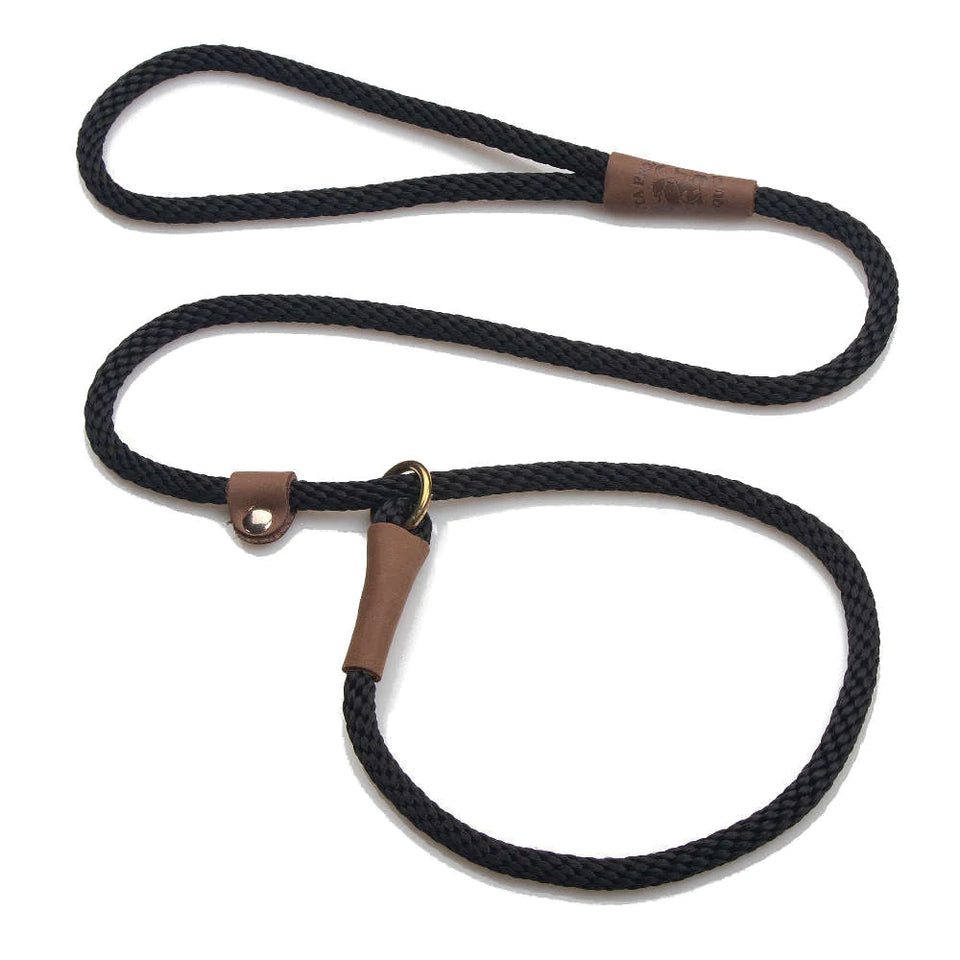
Mendota Pet Slip Leash for Dogs (Large 1/2″ x 6 ft.)
A classic, trainer-approved slip leash made from soft yet strong rope. It provides excellent control for medium to large dogs while remaining comfortable in the hand. Ideal for daily walks, obedience training, and quick on-and-off use.
🔥 Get it Now 🔥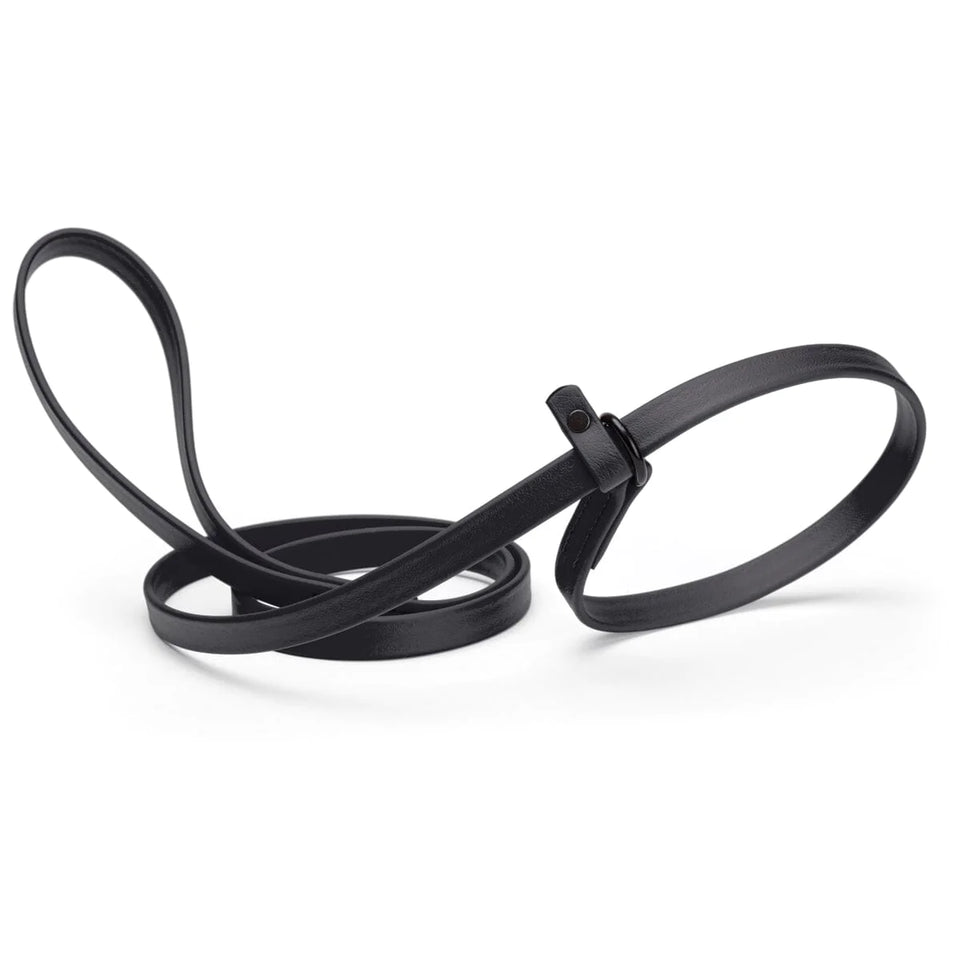
Dogline Biothane Waterproof Slip Lead (3/8″ x 5 ft.)
This slip leash is made from waterproof biothane material, making it perfect for dogs who love mud, rain, or beach walks. It is lightweight, odor-resistant, and very easy to clean, making it a practical option for active lifestyles.
🔥 Get it Now 🔥📌 Tips for Choosing the Right Slip Leash
- ✓ Large Dogs: Go with the Mendota Pet Slip Leash (Large 1/2″ x 6 ft.) for strength and control.
- ✓ Wet or Active Dogs: The Dogline Biothane Waterproof Slip Lead is ideal for outdoor activities because it cleans easily and stays odor-free.
- ✓ Small Breeds: The smaller Mendota slip leash is perfect when available—check back soon!
Basic Components of a Slip Lead
Most slip leashes have three main parts that work together:
- Main leash line: Usually 4 to 6 feet long, made from nylon, rope, or leather
- Sliding ring: Metal or plastic hardware that creates the adjustable loop
- Stopper: A small piece that prevents the loop from tightening too much

The stopper is an important safety feature. It keeps the loop from closing completely around your dog's neck, even if they pull hard. Without this stopper, a basic slip lead could tighten dangerously.
How Slip Leads Differ From Regular Leashes
Traditional leashes clip onto a collar or harness that stays on your dog all the time. Slip leashes work differently because they combine the leash and collar into one piece.
This makes them super quick to put on and take off, which is why vets, groomers, and trainers love them. You can slip it on in seconds without fumbling with buckles or clips.
It adjusts to fit perfectly, stays in place when worn correctly, and you can loosen or tighten it as needed. Just like you wouldn't leave a necktie on all day when you're not using it, you shouldn't leave a slip leash on your dog when they're not being walked.
The key difference is in the feedback mechanism. When your dog pulls, the slip lead applies gentle pressure. When they stop pulling, the pressure releases immediately. This clear communication helps dogs learn to walk politely without constant pulling.
Why Choose a Slip Leash for Your Dog
Slip leashes offer practical benefits that make them popular with both professional trainers and everyday dog owners. They're simple to use, effective for training, and work well in specific situations where quick control matters.

Training Benefits and Control
Slip leads give you better control during training sessions because they sit high on the neck near the head. This position lets you guide your dog's attention more easily than a regular collar that sits lower on the neck.
The immediate feedback system helps dogs understand what you want. When they pull, they feel gentle pressure. When they walk nicely, the pressure disappears. This clear cause-and-effect makes learning faster for most dogs.
Many professional trainers prefer slip leashes for teaching basic obedience commands like heel, sit, and stay. The quick on-and-off design also helps during group training classes when you need to move between different activities.
📌Also Read: Best Dog Leash for Training: Complete Guide
Convenience and Practical Uses
The biggest advantage of slip leashes is how fast they are to use. You don't need to thread anything through buckles or worry about sizing issues. Just slide it over your dog's head and you're ready to go.
This makes them perfect for:
- Quick bathroom breaks in the yard
- Vet visits where dogs need to be leashed and unleashed multiple times
- Grooming appointments
- Getting in and out of the car
- Emergency situations where you need control fast
The simple design means there are fewer parts that can break or malfunction. No clips to rust, no buckles to snap, no adjusters to get stuck. This reliability matters when you need your leash to work every single time.
Need a leash for your smaller companion? Explore our dog leashes designed for small dogs collection.
When Slip Leashes Work Best
Slip leads shine in certain situations but aren't ideal for every scenario. They work great for dogs who already have basic leash manners and just need gentle reminders not to pull.
| Situation | Why It Works |
|---|---|
| Short walks around the neighborhood | Quick to put on, provides gentle feedback for pulling |
| Training sessions with an experienced handler | Gives clear communication and immediate correction |
| Vet or grooming visits | Easy to slip on and off multiple times |
| Well-trained dogs | Minimal control needed, just a safety tether |
| Emergency situations | Fast control when you need it right away |
Slip leads also work well for dogs who hate having collars put on. Some dogs duck their heads or back away when they see a collar coming. With a slip lead, you can often get it on before they realize what's happening.
Key Features to Look for in the Best Slip Leash for Dogs
Not all slip leashes are created equal. The right features can make the difference between a leash that works perfectly and one that causes problems. Here's what to check before you buy.

Material and Durability
The material affects how the leash feels in your hand, how long it lasts, and how your dog responds to it. Common materials include nylon, rope, and leather, each with pros and cons.
Nylon slip leashes are lightweight, affordable, and come in lots of colors. They dry quickly if they get wet and clean easily. However, thin nylon can dig into your hands if your dog pulls hard.
Rope slip leashes offer better grip and feel more comfortable during long walks. Mountain climbing rope is especially popular because it's strong and durable. The thicker diameter is easier on your hands compared to thin nylon.
Leather slip leashes look professional and get softer over time. They're strong and comfortable but cost more than nylon or rope. Leather also needs occasional conditioning to prevent cracking. Browse our durable leather dog leashes for premium options.
Pick materials rated for your dog's weight. A 10-pound dog doesn't need the same strength as a 70-pound dog.
Length and Thickness Considerations
Length matters for different activities and dog sizes. Most slip leashes range from 4 to 6 feet long. Shorter leads (4 feet) give you more control in crowded areas or during training. Longer leads (6 feet) allow more freedom on casual walks.
Thickness affects comfort and control:
- Thin (1/4 inch): Best for small dogs under 20 pounds
- Medium (3/8 to 1/2 inch): Good for medium dogs 20-60 pounds
- Thick (5/8 inch or more): Better for large dogs over 60 pounds
Thicker leashes are easier on your hands if your dog pulls. They also last longer because they resist fraying and breaking better than thin ones.
Hardware Quality and Safety Features
The ring where the leash threads through needs to be smooth and strong. Rough edges can catch your dog's hair or even cut their skin. Look for rings made from nickel-plated steel or solid brass, which resist rust and last for years.
A built-in stopper is a must-have safety feature. This prevents the loop from tightening too much around your dog's neck. Some stoppers are adjustable, letting you set the maximum tightness yourself. This is especially important if multiple people walk your dog.
- Smooth, rounded ring with no sharp edges
- Strong stitching at connection points
- Adjustable or fixed stopper that works reliably
- Comfortable handle or grip area
- Reflective stitching for night walks (bonus feature)
Comparing Different Types of Slip Leashes
Slip leashes come in several varieties, each designed for specific uses and dog types. Understanding the differences helps you pick the right style for your situation.
Standard Slip Leads vs. British-Style Leads
Standard slip leads have a simple design with one continuous piece of material and a ring at the end. The handle area might be slightly padded for comfort, but otherwise, it's straightforward and functional.
British-style slip leads (also called show leads) are thinner and lighter, originally designed for dog shows. They're less visible in photos and sit discreetly on the dog's neck. These work best for well-trained dogs who don't pull because the thin material can be uncomfortable if there's tension.
The main difference is thickness and intended use. Standard slip leads handle everyday walks and training, while British-style leads are better for short-term control in low-stress situations.
Rope vs. Nylon vs. Leather Slip Leads
Each material changes how the leash performs in daily use:
| Material | Best For | Pros | Cons |
|---|---|---|---|
| Rope | Active dogs, outdoor use | Strong, comfortable grip, dries fast | Can fray over time, limited colors |
| Nylon | Budget-friendly, variety | Affordable, many colors, lightweight | Can be slippery when wet, thin styles hurt hands |
| Leather | Professional look, longevity | Softens with use, durable, classic style | Higher cost, needs maintenance |
Rope slip leashes made from mountain climbing rope are extremely popular because they balance strength with comfort. The braided construction is gentle on your hands even during long walks.
Nylon works great if you want something affordable that comes in fun colors or patterns. Just avoid super thin nylon (under 3/8 inch) if your dog has any pulling habits.
Leather slip leashes are an investment but can last for years with proper care. They develop a unique patina over time and feel more natural in your hand compared to synthetic materials.
Slip Leads With Additional Features
Some slip leashes include extra features that make them more versatile:
Adjustable stoppers let you control how much the loop can tighten. This is great if you're worried about safety or if different people walk your dog who might need different settings.
Padded handles make long walks more comfortable. The padding prevents the leash from cutting into your palm if your dog suddenly pulls toward a squirrel.
Reflective threading improves visibility during early morning or evening walks. Cars can see you and your dog better, which is a simple safety upgrade.
Traffic handles are short second handles near the collar loop. These give you close control when you need it, like crossing busy streets or passing other dogs on narrow sidewalks.
How to Choose the Right Slip Leash for Your Dog
Picking the best slip leash means matching the leash features to your dog's size, behavior, and your walking habits. Here's how to make sure you get the right fit.
Size and Breed Considerations
Dog size is your starting point. Small dogs under 20 pounds need thinner, lighter leashes so the weight doesn't bother them. Medium and large dogs need thicker, stronger materials that can handle their strength.
Breed matters too because some dogs have specific needs:
- Long-haired breeds (Collies, Golden Retrievers): Pick slip leads with smooth, rounded rings that won't catch fur
- Strong pullers (Huskies, Pit Bulls): Choose thick rope or leather for hand comfort and durability
- Small nervous dogs (Chihuahuas, Yorkies): Opt for lighter materials with gentle pressure
- Active breeds (Border Collies, Labs): Get weather-resistant materials that handle mud and water
If your dog has a thick neck or small head (like Bulldogs or Greyhounds), pay extra attention to stopper placement. You want the loop to stay secure without being too tight or slipping off.
Training Level and Behavior
Your dog's training level should guide your choice. Slip leashes work best for dogs with at least basic leash manners.
For beginner dogs still learning not to pull, start with a thicker slip lead (1/2 inch or more) with a reliable stopper. The thickness is more comfortable in your hand when they pull, and the stopper prevents overtightening.
📌Also Read: How to Stop a Dog from Pulling on the Leash
Intermediate dogs who understand basic commands but occasionally pull can use medium-thickness slip leads. A 4 to 5-foot length gives you good control without restricting their movement too much.
Advanced dogs with excellent leash manners might do well with thinner show-style slip leads or any material you prefer, since they're not putting constant tension on the leash.
If your dog has aggressive tendencies or severe pulling problems, a slip lead alone might not be enough. Consider using a harness or working with a professional trainer first.
Activity Type and Environment
Think about where and how you'll use the leash most often:
Urban walking with lots of stops and turns works well with a 4-foot slip lead. The shorter length gives you quick control around traffic, other pedestrians, and tight spaces.
Park and trail walking might benefit from a 5 or 6-foot lead. The extra length lets your dog explore a bit while you maintain control. Rope or nylon materials hold up well to outdoor conditions.
Training sessions typically use 4 to 5-foot leads for close work. Professional trainers often prefer rope slip leads because they're comfortable to hold during extended sessions.
Multiple daily walks mean durability matters more. Invest in quality materials like thick nylon or leather that won't wear out quickly.
Weather considerations also play a role. If you walk in all conditions, nylon and rope dry faster than leather. If it's mostly dry weather, leather ages beautifully and develops character over time.
Safety Tips for Using Slip Leashes
Slip leashes are safe when used correctly, but they do require proper technique and awareness. Follow these guidelines to keep your dog comfortable and secure.

Proper Fit and Placement
The loop should sit high on your dog's neck, right behind the ears and jaw. This is the most sensitive area where gentle pressure has the most effect. If the loop slides down toward the shoulders, you lose control and might need to pull harder.
To check the fit, slide the loop over your dog's head when it's at its loosest. It should slip on easily but not be so loose that it falls off if your dog backs up. The stopper should prevent it from tightening more than a few inches.
Never leave a slip leash on your dog when they're unattended. Unlike a regular collar, slip leads can catch on objects and tighten dangerously if your dog tries to pull free. Always remove it after walks or training sessions.
Common Mistakes to Avoid
Many people make these errors when using slip leashes:
Pulling too hard or too often: Slip leads work with gentle, brief corrections, not constant pulling. If you're pulling continuously, the leash isn't working as intended.
Using on puppies or very small dogs: Young puppies have delicate necks and are still learning. Use a regular collar or harness instead until they're older and trained.
Letting the loop sit too low: When the slip lead sits on the shoulders instead of high on the neck, you need more force to get your dog's attention, which defeats the purpose.
Ignoring signs of discomfort: If your dog coughs, gags, or seems distressed, the leash might be too tight or positioned wrong. Stop and readjust immediately.
Using as a tie-out: Never tie your dog to a post or fence with a slip lead. If they pull or panic, it could tighten dangerously.
When Not to Use a Slip Leash
Slip leads aren't right for every dog or situation. Skip the slip leash if:
- Your dog is a strong, constant puller who hasn't learned leash manners yet
- Your dog has respiratory issues, neck injuries, or throat problems
- You're dealing with an aggressive dog who lunges at people or other dogs
- Your puppy is under six months old and still learning basic skills
- Your dog gets extremely anxious and panics on walks
📌Alternative Options: Best Retractable Dog Leash for Obedience and Safety
For dogs with health issues, always consult your vet before changing leash types. Some conditions mean neck pressure should be avoided entirely, making harnesses the safer choice.
Key Takeaways on Choosing the Best Slip Leash
Finding the best slip leash for dogs comes down to matching quality features with your specific needs. A good slip lead combines durable materials, appropriate thickness for your dog's size, and reliable hardware that keeps both you and your dog safe during walks.
Remember that slip leashes work best for dogs with basic training and good leash manners. They're tools for gentle guidance and control, not solutions for severe pulling problems. When used correctly with the right fit and technique, they offer convenience and effectiveness that few other leash styles can match.
Whether you're a professional trainer or a pet owner looking for a simple walking solution, taking time to pick the right slip leash will make every walk more enjoyable. Consider your dog's size, behavior, and your typical walking environment to narrow down your options.
Related Resources
- Best Dog Training Collar: How to Choose the Right One for Your Pet
- What Is a Tactical Dog Collar and When to Use It
- How to Train a Dog With a Shock Collar Safely & Effectively
Frequently Asked Questions About Slip Leashes
Slip leashes raise common questions about safety, effectiveness, and proper use. Here are answers to help you make informed decisions about whether a slip lead is right for your dog.
Do vets recommend slip leads?
Many vets use slip leads in their clinics because they're quick to put on and remove during examinations. However, vets typically recommend them only for well-trained dogs or short-term use.
For daily walking, especially with dogs who pull, vets often suggest harnesses or regular collars to avoid neck strain and potential injury. The key concern is that continuous pressure on the neck can affect breathing and cause long-term damage to the trachea.
If your vet sees your dog coughing, having difficulty breathing, or showing signs of neck discomfort, they'll likely recommend switching from a slip lead to a harness or regular collar for everyday use.
Are slip leashes good for dogs?
Slip leashes can be good for dogs when used correctly. They work well for trained dogs who respond to gentle corrections and don't constantly pull. The key is proper fit, correct placement high on the neck, and gentle handling.
They're not ideal for dogs with respiratory issues, neck problems, or those who haven't learned basic leash manners yet. Dogs who pull continuously shouldn't use slip leads because the constant pressure can cause injury.
The effectiveness depends more on the handler's technique than the tool itself. A slip lead in experienced hands works beautifully for training and control. In inexperienced hands, it can cause frustration for both dog and owner.
What is the best anti-slip material for dogs?
For slip leashes that won't slide through your hands, rope made from mountain climbing material offers the best grip. Braided nylon with a textured finish also provides good anti-slip properties.
Leather develops natural grip over time as it softens and conforms to your hand. The oils from your skin actually improve leather's grip characteristics with regular use.
Avoid smooth, thin nylon which can slip through your hands easily, especially when wet. This becomes dangerous if your dog suddenly lunges and the leash burns through your grip.
Some slip leashes feature rubberized or textured handle areas even if the main line is smooth nylon. This gives you the best of both worlds—comfortable grip where you hold it and smooth material for the dog's neck.
How to choose a slip lead?
Choose a slip lead based on your dog's weight and neck size first. Small dogs need 1/4 to 3/8 inch thickness, medium dogs need 3/8 to 1/2 inch, and large dogs need 5/8 inch or thicker.
Pick materials that feel comfortable in your hand during a 20-30 minute walk. If possible, hold sample leashes before buying to test the grip and weight.
Ensure the hardware has smooth edges without rough spots that could catch your dog's fur or skin. A quality slip lead should slide smoothly through the ring without binding or sticking.
Verify it includes a stopper for safety. This small feature prevents overtightening and protects your dog if they panic or pull unexpectedly.
Length should be 4 feet for close control during training or 5-6 feet for relaxed walks where your dog can explore a bit more.
Is it okay to walk a dog on a slip lead?
Yes, it's okay to walk a dog on a slip lead if your dog has basic leash training and doesn't constantly pull. The slip lead should fit properly high on the neck behind the ears, and you should use gentle corrections rather than constant pulling.
The walk should be pleasant for both of you. If you find yourself constantly tugging or your dog is coughing and gagging, the slip lead isn't the right choice for your current training level.
For dogs who pull frequently, have neck issues, or are still learning leash manners, a harness or regular collar with leash is a better choice for daily walks. Save the slip lead for training sessions with a professional until your dog's leash manners improve.
Many dog owners successfully use slip leads for years without problems. The key is matching the tool to your dog's training level and using proper technique every time.


Recent Post


